
WORKING HOURS:
Mon to Sat: 8 am - 5 pm
HOTLINE:
+84908367729
ADDRESS:
Binh Duong, Vietnam
WORKING HOURS:
Mon to Sat: 8 am - 5 pm
HOTLINE:
+84908367729
ADDRESS:
Binh Duong, Vietnam
Screws are essential mechanical components used across many industries, from construction and manufacturing to daily household applications. To better understand this product, let&rsquos explore the screw manufacturing process, key production stages, and factors that influence product quality.
A screw is a mechanical fastener used to join components together by friction generated during tightening. Its primary function is to create a secure joint that can be removed when necessary. Screws are widely used in machinery assembly, construction projects, equipment manufacturing, and many other applications.
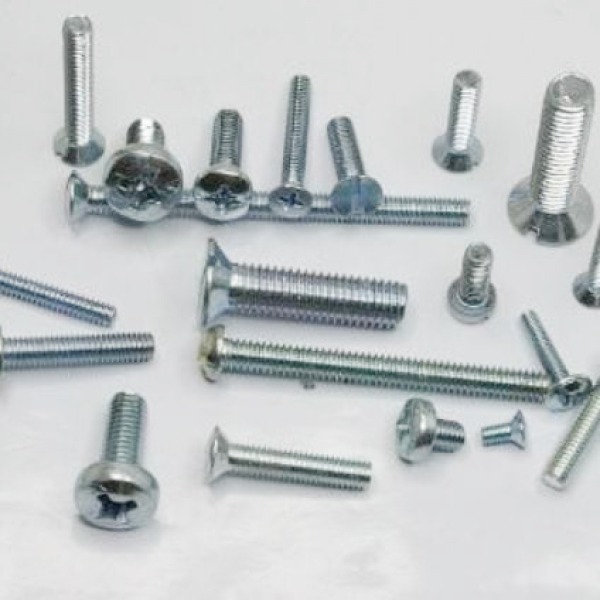
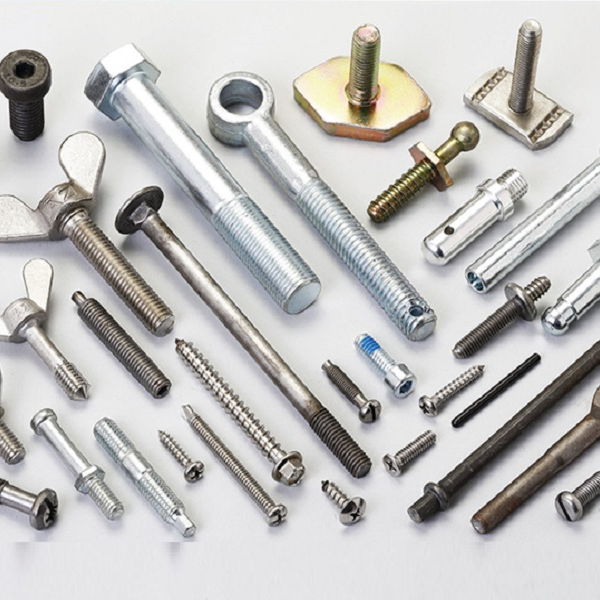
There are many types of screws available on the market, classified based on materials, dimensions, head designs, and applications. Some common screw types include:
Round Head Screws: Commonly used in applications requiring aesthetic appearance
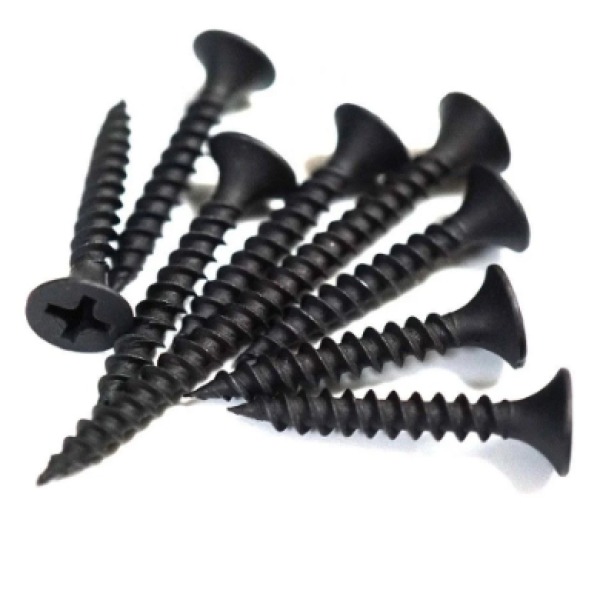
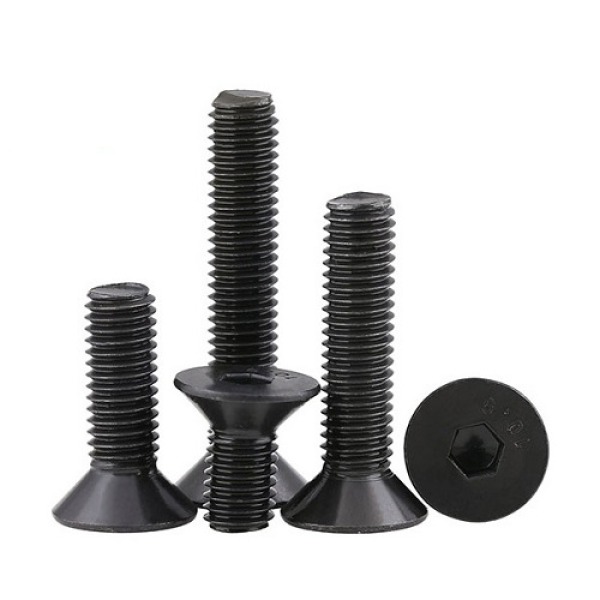
Flat Head Screws: Used when a flush surface is required after installation
Hex Screws: Widely used in industrial applications with strong load-bearing capability
Self-Drilling Screws: Designed to drill and fasten simultaneously, saving installation time
Wood Screws: Specifically designed for wood-based products
Screws are present in almost every aspect of modern life. From small household appliances and electronic devices to large construction projects such as buildings, bridges, and industrial machinery, screws play a critical role. Their versatility and reliability make them indispensable in modern society.
The screw manufacturing process consists of multiple stages that require precision and strict quality control to ensure product reliability.
The primary raw material used for screw production is steel. The ed steel must meet specific standards regarding strength, ductility, and load-bearing capacity. Steel is usually supplied in coil or bar form and then cut into appropriate lengths based on screw specifications.
Before forming, steel materials undergo surface treatment to remove impurities, rust, and contaminants while creating surface roughness to improve plating adhesion. This process typically includes:
Degreasing
Rust removal
Phosphating
The forming process is typically performed using cold forging or hot forging methods. Cold forging is more commonly used because it provides higher precision and energy efficiency. Forging machines shape steel blanks into the required screw form.
After forming, screws undergo thread rolling to create screw threads. This process can be performed using cylindrical or flat thread rolling methods. The ed thread rolling technique significantly affects thread durability and overall product strength.
To increase hardness and strength, screws undergo heat treatment. This process involves heating screws to a specific temperature, maintaining that temperature for a certain period, and then cooling them either gradually or rapidly. Proper control of temperature and time is essential for achieving optimal mechanical properties.
To protect screws from corrosion and improve appearance, surface finishing is applied using zinc plating, nickel plating, or other protective coatings. The plating process typically involves immersing screws in a plating solution and using electrical current to deposit coating layers onto the screw surface.
Quality inspection is the final and most critical step in the screw manufacturing process. Screws are inspected for:
Dimensions
Hardness
Strength
Load resistance
Plating quality
Products that fail to meet standards are removed from production batches.
Screw quality depends on multiple factors throughout the production process, including raw materials, manufacturing technology, and quality control procedures.
Steel composition directly determines screw strength and durability. High-quality steel must have proper chemical composition, minimal impurities, and sufficient ductility.
Forging dies directly influence screw shape and dimensional accuracy. Dies must be manufactured precisely and maintained properly to prevent wear during production.
Temperature and heat treatment duration significantly affect screw hardness and durability. Strict control is required to achieve optimal performance.
Plating protects screws from corrosion. The coating thickness and adhesion strength must meet industry standards to ensure long-term durability.
To improve production efficiency and product quality, manufacturers increasingly adopt advanced technologies in screw manufacturing processes.
CNC (Computer Numerical Control) machines are used to manufacture complex screw components and forging dies with high precision. CNC technology ensures consistent product quality.
Automated inspection systems use sensors and cameras to detect dimensional accuracy, shape, and surface quality. These systems help identify defective products quickly and accurately.
Modern electroplating technology produces coating layers with improved thickness and adhesion, providing better corrosion resistance while reducing environmental impact.
Manufacturing Execution Systems (MES) are used to monitor and control the entire screw manufacturing process. These systems help optimize production efficiency, reduce waste, and improve operational performance.
CATEGORIES
Hardware blister pack B779-77/78/78W1
Hardware blister pack B823-81/82
Hardware blister pack B779-94/96/97
Hardware blister pack B779-98/99/96W1/97W1
Hardware blister pack B779/74/76/76W1
Hardware blister pack 24305/23004
Hardware blister pack 24302/23002
Hardware blister pack 24301/24303/23001/23003
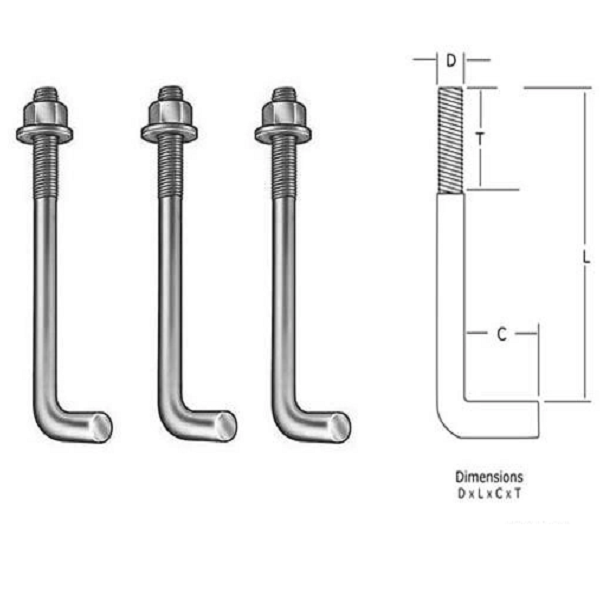
L-type foundation anchor bolts
Stainless steel flat head hex socket bolts
Stainless steel partially threaded bolts
Stainless steel hex head bolts
Stainless steel carriage bolts
Stainless steel button head hex socket bolts
Stainless steel standard socket head cap screws
Stainless steel standard partially threaded bolts
Custom Bolt Manufacturing Services in Ho Chi Minh City
Distinguishing Wood Screws, Stainless Steel Screws, and Self-Tapping Screws in Manufacturing
Production Activities & Quality Improvement at Ngoc Huong Phat
Advantages of Ordering Direct Manufacturing at Ngoc Huong Phat Factory
Introduction to the Screw and Bolt Manufacturing Workshop
Common Mistakes When Ordering Screw & Bolt Manufacturing and How Businesses Can Avoid Risks
Typical Customers of Ngoc Huong Phat in the Wood & Electronics Industries
When Should Businesses Order Custom Screw Manufacturing? Signs and Practical Benefits
Ngoc Huong Phat – Trusted Screw & Hardware Manufacturer in Ho Chi Minh City for Businesses
Steel Wire Coil Industry Market
Micro Screws – Applications in the Electrical & Electronics Industry and Selection Criteria
Factory Capacity & Actual Production Machinery of Ngoc Huong Phat Co., Ltd.
Affordable Hardware Components
Screw & Bolt Production Process at Ngoc Huong Phat Factory
Custom Screw & Bolt Manufacturing Based on Drawings: Process & Technical Notes
Custom Screw and Bolt Manufacturing Based on Technical Drawings: Process & Technical Considerations
Featured Products & Services
*YOU MAY ALSO LIKE
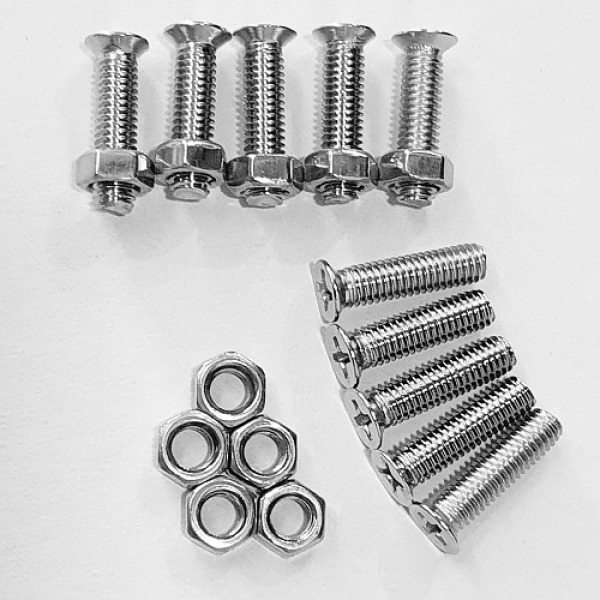
Screws are small components but play a critical role in the assembly quality of various products, from cabinets, wardrobes, beds, and furniture to mechanical structures and construction works
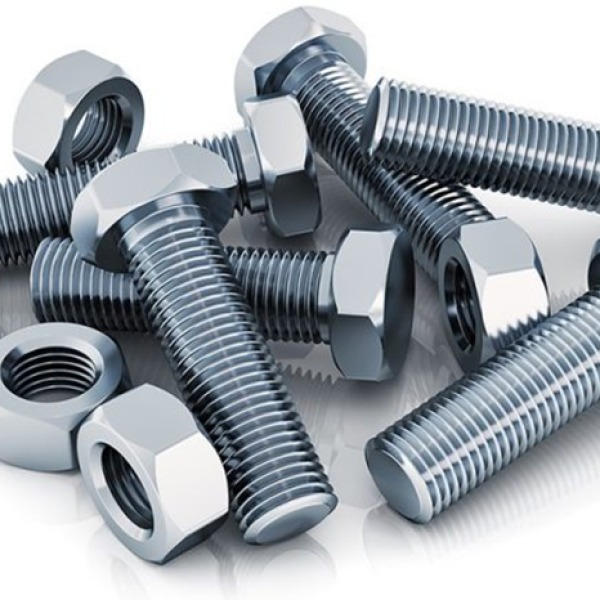
As a direct manufacturer of screws, bolts, and metal hardware components serving the mechanical, electronics, and woodworking industries, Ngoc Huong Phat continuously improves its production processes to meet increasingly strict manufacturing requirements.
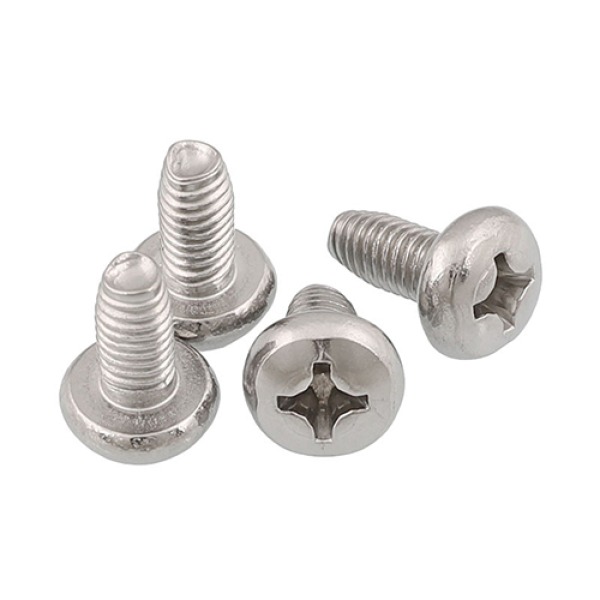
Ordering custom screw and bolt manufacturing directly from factories is becoming a growing trend among manufacturers as requirements for quality, production timelines, and product consistency continue to increase
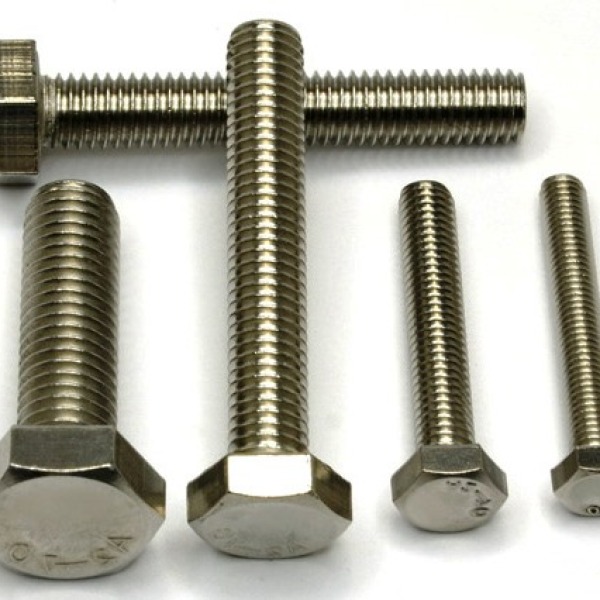
Screws and fasteners are small components but play a critical role in product durability, safety, and lifespan. Each manufacturing industry requires different specifications regarding size, material, thread type, load-bearing capacity, and working environment
.jpg)
Screws and bolts are essential components that directly determine connection durability, structural stability, and product quality across multiple industries such as woodworking, furniture manufacturing, electronics, and mechanical engineering
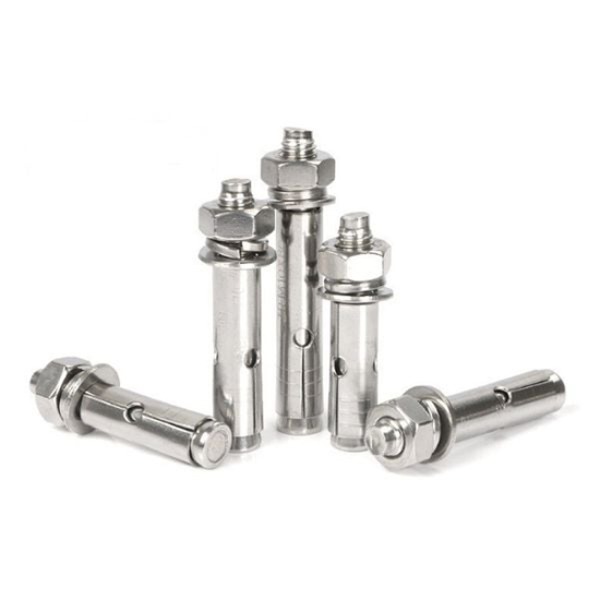
Custom screw and bolt manufacturing based on technical drawings is a common requirement among factories, manufacturing workshops, and OEM/ODM enterprises.
Address: 411 Binh Duong Boulevard, Thanh Binh Quarter, An Thanh Ward, Thuan An Town, Binh Duong, Vietnam
Telephone: +84983102939
Hotline: +84908367729
Email: howard762424@gmail.com
Branch: Land Lot No. 898, Map Sheet No. 2, Tan Phuoc Khanh 55 Street, Khanh Loc Ward, Tan Phuoc Khanh Town, Tan Uyen City, Binh Duong, Vietnam
Having more than 10 years of experience in the hardware industry, we ensure 100% new products, factory price, and nationwide delivery. OEM / ODM processing on demand. Contact us now!
Ngoc Huong Phat Co., Ltd
Address: 411 Binh Duong Boulevard, Thanh Binh Quarter, An Thanh Ward, Thuan An Town, Binh Duong, Vietnam
Telephone: +84983102939
Hotline: +84908367729
Email: howard762424@gmail.com
Ngoc Huong Phat Co., Ltd
Địa chỉ: 411 Binh Duong Boulevard, Thanh Binh Quarter, An Thanh Ward, Thuan An Town, Binh Duong, Vietnam
Business Registration License No. 3702611580 - Issued by the Department of Planning and Investment of Binh Duong Province on October 25th 2017
Responsible for content: Xam The Hau
@ Copyright by Ngoc Huong Phat Co., Ltd. Designed by Vietnam Yellow Pages.
.png)
.png)
.png)
 (1).png)
.png)
.png)
.png)
.png)
.png)


